
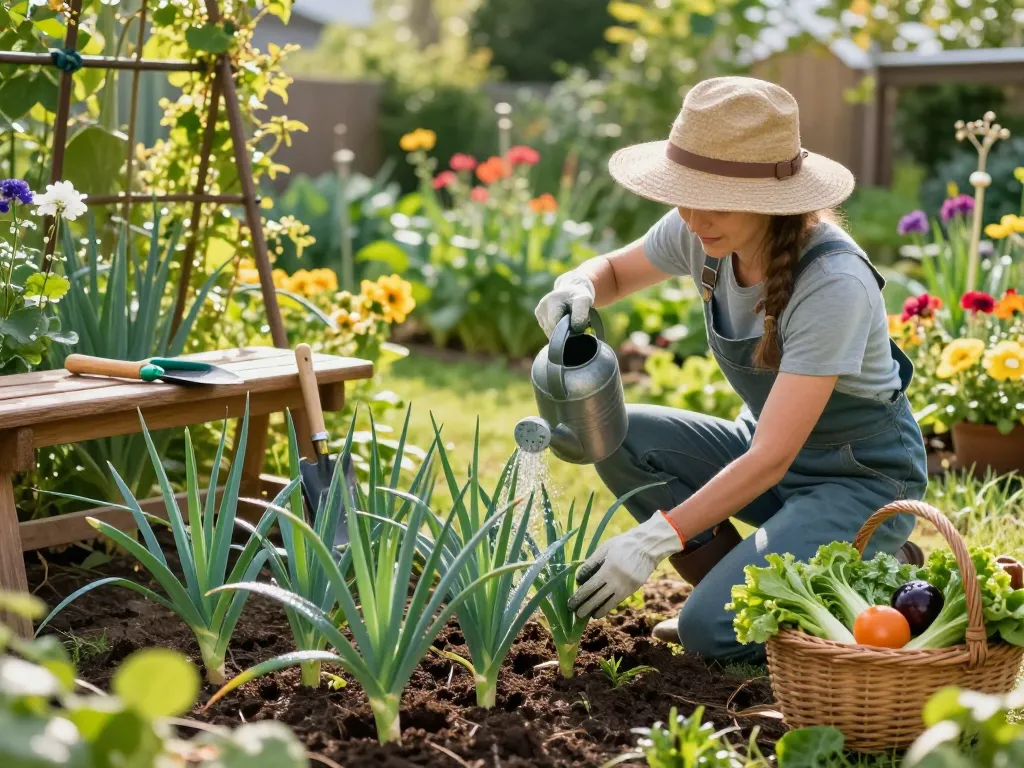
Understanding Porree Jungpflanzen: A Comprehensive Guide
Porree jungpflanzen, commonly known as leeks, are a versatile and flavorful addition to gardens and culinary dishes alike. With their mild, slightly sweet flavor, these plants can elevate various recipes while also being easy to grow for both novice and experienced gardeners. In this comprehensive guide, we will explore what porree jungpflanzen are, the importance of quality seedlings, and offer tips on preparing your garden, planting techniques, care and maintenance, and even harvesting culinary uses. Whether you are looking to grow them for personal use or for culinary ventures, understanding the intricacies of porree jungpflanzen will help you achieve a bountiful harvest.
What Are Porree Jungpflanzen?
Porree jungpflanzen refer to young leek plants that are typically grown from seeds or transplants, allowing gardeners to cultivate them effectively for home use. These seedlings are characterized by their long, cylindrical stems and rich green leaves. Leeks belong to the Allium family, which also includes onions and garlic, making them a staple in many kitchens around the world. Known for their exquisite flavor and nutritional value, porree jungpflanzen can be harvested anywhere from spring to late fall, depending on the variety and planting time.
The Importance of Quality Seedlings
Choosing the right seedlings is crucial for a successful porree harvest. Quality porree jungpflanzen can significantly impact the health and yield of your crop. High-quality seedlings are more resistant to pests and diseases and often lead to a better flavor and texture when harvested. It’s advisable to source your seedlings from reputable nurseries or suppliers who specialize in healthy plants. When exploring options, porree jungpflanzen provides comprehensive insights into reliable varieties that can enhance your gardening experience.
Common Varieties and Their Benefits
There are several varieties of porree jungpflanzen, each offering unique flavors and growing traits. Some popular types include:
- Porree ‚Gent‘ – Known for its upright growth and rich, aromatic flavor, perfect for autumn and winter harvests.
- Porree ‚Bavaria‘ – A fast-growing variety that produces smooth, uniform stems and is resistant to bolting.
- Winter Porree – Specifically cultivated for winter harvests, providing a sweet, hearty flavor.
Choosing a variety that suits your local climate and culinary needs can lead to a more successful gardening experience.
Preparing Your Garden for Porree Jungpflanzen
Choosing the Right Location and Soil Conditions
Leeks thrive in a sunny location with well-drained, fertile soil. Ideally, the soil should have a pH between 6.0 and 7.0. Consider testing your soil to ensure that it contains adequate nutrients and is free from heavy clays. Adding organic matter such as compost can help improve soil structure and fertility.
Essential Tools for Planting
Having the right tools on hand can simplify the planting process. Essential tools include:
- Garden trowel
- Rake for soil preparation
- Measuring tape for spacing
- Watering can or hose for irrigation
By ensuring you have these basic tools, you can streamline your planting process, making it more efficient and effective.
How to Amend Soil for Optimal Growth
To amend your soil for growing porree jungpflanzen, start by adding well-rotted manure or organic compost, which can enhance nutrient content. You may also consider incorporating slow-releasing fertilizers to provide a steady nutrient supply as your plants grow. Regular tilling can help aerate the soil and improve drainage, which is vital for leek development.
Planting Techniques for Successful Growth
Step-by-Step Planting Guide
Follow these steps for successful planting of porree jungpflanzen:
- Prepare your planting area by tilling the soil and adding organic amendments.
- Dig furrows approximately 8 inches apart, ensuring they are deep enough to accommodate the leeks.
- Space each seedling about 4 to 6 inches apart within the furrow.
- Place the seedlings in the furrow, burying the stem up to the leaves to encourage a tender, elongated stem.
- Water thoroughly after planting to ensure the soil is moist but not waterlogged.
Best Practices for Spacing and Depth
Correct spacing and planting depth are essential for healthy growth. Leeks should be spaced at least 4 inches apart to allow for maximum bulb development and airflow. As for depth, seedlings should be planted deep enough to cover the roots, encouraging the development of tender, long stalks.
Timing Your Planting for Seasonal Success
Timing is critical when planting porree jungpflanzen. The best time to plant is in early spring for summer harvests or mid-summer for winter crops. This timing allows the plants to establish well and grow before the extreme weather of summer or fall sets in. Monitor local climate conditions to adjust your planting schedule as needed.
Care and Maintenance of Porree Jungpflanzen
Watering and Fertilization Best Practices
Leeks require consistent moisture, especially during dry spells. Aim to water at least 1 inch per week, either through rainfall or irrigation. Regularly check the soil’s moisture level, ensuring that it is damp but not saturated. Fertilization is also crucial; apply a balanced fertilizer every few weeks to support healthy growth.
Pest and Disease Management Strategies
Pests such as aphids and onion maggots are common threats to porree jungpflanzen. Implementing companion planting strategies, such as growing marigolds nearby, can help deter these pests. Additionally, regularly inspecting your plants for signs of disease, like yellowing leaves or stunted growth, is vital for maintaining plant health.
Signs of Stress and How to Revive Your Plants
If you notice signs of stress, such as wilting or discoloration, assess the conditions. Make sure they are getting adequate water, sunlight, and nutrition. In cases of overwatering, improve drainage and reduce watering frequency. For nutrient deficiencies, consider applying a suitable fertilizer or organic compost.
Harvesting and Culinary Uses of Porree
When and How to Harvest Your Porree
Harvesting leeks should occur when they reach a diameter of at least 1 inch, typically around 90 to 120 days after planting. Gently loosen the soil around the bulbs using a spade or fork, then pull them out carefully. Avoid damaging the stalks or roots during the harvesting process.
Storing and Preserving Leeks for Longevity
Leeks can be stored in the refrigerator for several weeks if kept in a plastic bag to maintain moisture. For long-term preservation, consider freezing or pickling them. Blanching leeks before freezing can help retain their color and flavor, allowing you to enjoy your harvest throughout the year.
Delicious Recipes Featuring Fresh Porree
Porree jungpflanzen can be used in a variety of dishes. Try making a classic leek and potato soup, sautéing them as a side dish, or incorporating them into stir-fries for added flavor and nutrition. Their versatility in the kitchen makes them a favorite among chefs and home cooks alike.
What are the optimal growing conditions for porree jungpflanzen?
Leeks thrive in well-drained, fertile soil with plenty of organic matter. They prefer sunny spots but can tolerate partial shade. Regular watering and proper fertilization will also enhance their growth.
How long does it take for porree jungpflanzen to mature?
Typically, porree jungpflanzen take between 90 to 120 days to mature, depending on the variety and growing conditions.
What are the best companion plants for porree?
Companion plants such as carrots and cabbage can help promote healthy growth and deter pests when planted alongside porree jungpflanzen.
Can porree be grown in containers?
Yes, porree jungpflanzen can be grown in containers. Ensure that the pots are deep enough to accommodate the root system, and use quality soil for optimal growth.
What pests commonly affect porree jungpflanzen?
Common pests include aphids, onion flies, and thrips. Implementing good garden hygiene and companion planting can help control these pests effectively.