Understanding the Importance of Notdusche für Chemiebetrieb
In the realm of chemical operations, safety is non-negotiable. A pivotal component of workplace safety in these environments is the presence of effective emergency equipment, particularly safety showers and eyewash stations. Notdusche für Chemiebetrieb plays a crucial role in ensuring that employees are protected against hazardous substances and emergencies. This article delves into the significance of these safety apparatuses, regulatory compliance, and the evolution of safety standards as we move towards 2026.
What is a Safety Shower and Eyewash Station?
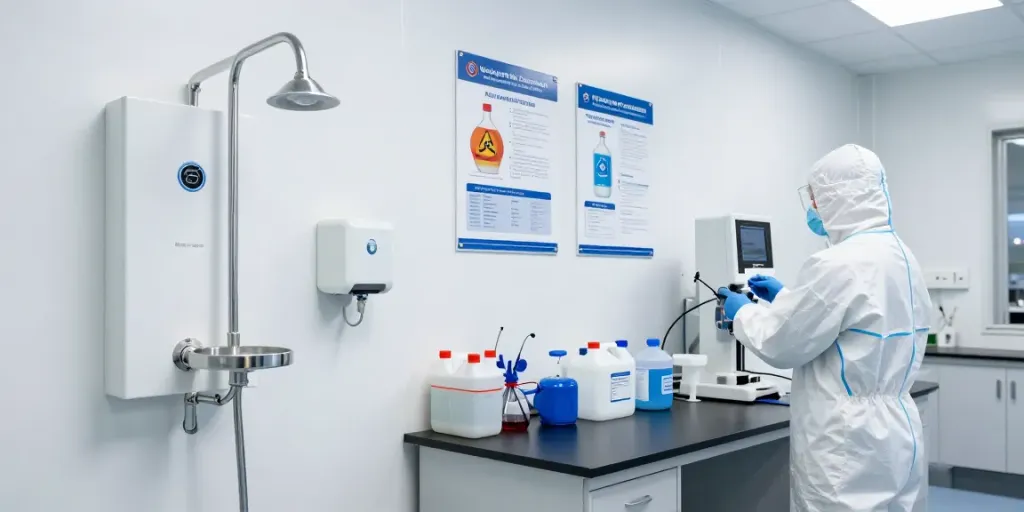
A safety shower is a specialized fixture designed to douse a person in water to wash away harmful chemicals from the body. Eyewash stations, on the other hand, are specifically intended for rinsing the eyes after exposure to irritants or harmful substances. Together, these systems mitigate the risk of serious injury or illness resulting from accidental chemical exposure.
The Role of Notduschen in Chemical Safety
In a chemical facility, where workers frequently handle corrosive or toxic materials, the availability of functional Notduschen is vital. These systems provide immediate decontamination, effectively reducing the severity of injuries sustained from spills or splashes. By quickly removing harmful contaminants, Notduschen facilitate a swift response during emergencies, minimizing long-term health risks and enhancing workplace safety.
Regulatory Standards and Compliance Requirements
Compliance with established safety regulations is essential for any chemical operation. In Europe, regulations such as the EN 15154 and ANSI Z358.1 standards dictate the requirements for safety showers and eyewash stations. These standards cover aspects like installation, maintenance, and accessibility, ensuring that emergency equipment is readily available and functional at all times.
Key Features of Effective Notduschen
Material and Build Quality Considerations
When selecting Notduschen for chemical operations, the materials used in construction are fundamental. These should be durable and resistant to corrosion, as they will be exposed to harsh chemicals. Stainless steel and high-density polyethylene (HDPE) are commonly preferred materials, ensuring longevity and reliability.
Customization Options for Specific Environments
Different chemical environments may require customized solutions. For instance, hazardous locations may necessitate explosion-proof equipment, while cold storage areas might require heating elements to prevent water freezing. Understanding the specific needs of a facility can guide decisions around the customization of Notduschen.
Additional Features to Enhance Safety
Features such as audible alarms, lighting, and containment basins can improve the effectiveness of Notduschen. Alarms may alert personnel in the case of an emergency, while lights can enhance visibility in dim environments. Containment basins help manage water runoff and minimize slip hazards, increasing overall safety during use.
Regular Maintenance and Compliance Checks
Importance of Routine Inspections
Regular maintenance checks are critical to ensure that Notduschen and eyewash stations remain compliant with safety regulations. Inspections should assess the functionality of the systems and identify any necessary repairs or replacements, thus ensuring they are always ready for emergencies.
Guidelines for Effective Maintenance Practices
Establishing a routine maintenance schedule is crucial. Checks should typically include:
- Testing water flow and temperature
- Inspecting the cleanliness of the units
- Verifying that all signage is visible and intact
- Reviewing system compliance with current regulations
Documentation and Record-Keeping for Compliance
Maintaining thorough records of inspections and maintenance activities is essential for compliance. These documents not only provide proof of adherence to regulations but also help in identifying trends and areas needing improvement over time.
Common Misconceptions About Notduschen
Myth vs. Reality: The Necessity of Safety Showers
One common misconception is that safety showers are only necessary in high-risk environments. In reality, any workplace where employees are exposed to hazardous chemicals should have access to emergency decontamination resources. The risk presented by everyday chemical handling makes Notduschen necessary even in seemingly benign settings.
Debunking Cost Concerns Around Installation
Another frequent concern is the cost associated with installing Notduschen. While initial investments may seem high, the long-term savings associated with reduced injury rates and compliance penalties far outweigh these upfront costs. Furthermore, many suppliers offer financing options and tailored solutions to fit various budgets.
Addressing Environmental Impact Questions
Some may worry that safety showers can lead to water waste or pollution. However, modern designs often incorporate water reclamation systems and environmentally friendly practices to mitigate these impacts. Choosing compliant systems can greatly reduce the ecological footprint while still ensuring safety.
Future Trends in Safety Equipment for Chemical Operations
Innovations in Design and Technology
As the industry evolves, so too do the technologies surrounding safety showers and eyewash stations. Innovations such as smart sensors for automatic activation and integration with facility-wide alerts are becoming more common, enhancing the efficacy of emergency responses.
Predictions for Regulatory Changes by 2026
As safety standards continue to evolve, businesses must stay abreast of potential regulatory changes. By 2026, we can expect further tightening of compliance requirements, focusing on more comprehensive safety measures and environmental protections. Staying proactive in these areas will be essential for operation continuity.
Emerging Safety Protocols in the Industry
New protocols emphasizing training and education on the use of Notduschen are gaining traction. As workers become more aware of the importance of immediate response in emergencies, the emphasis on regular training and drills is expected to rise, highlighting the need for effective emergency equipment.