
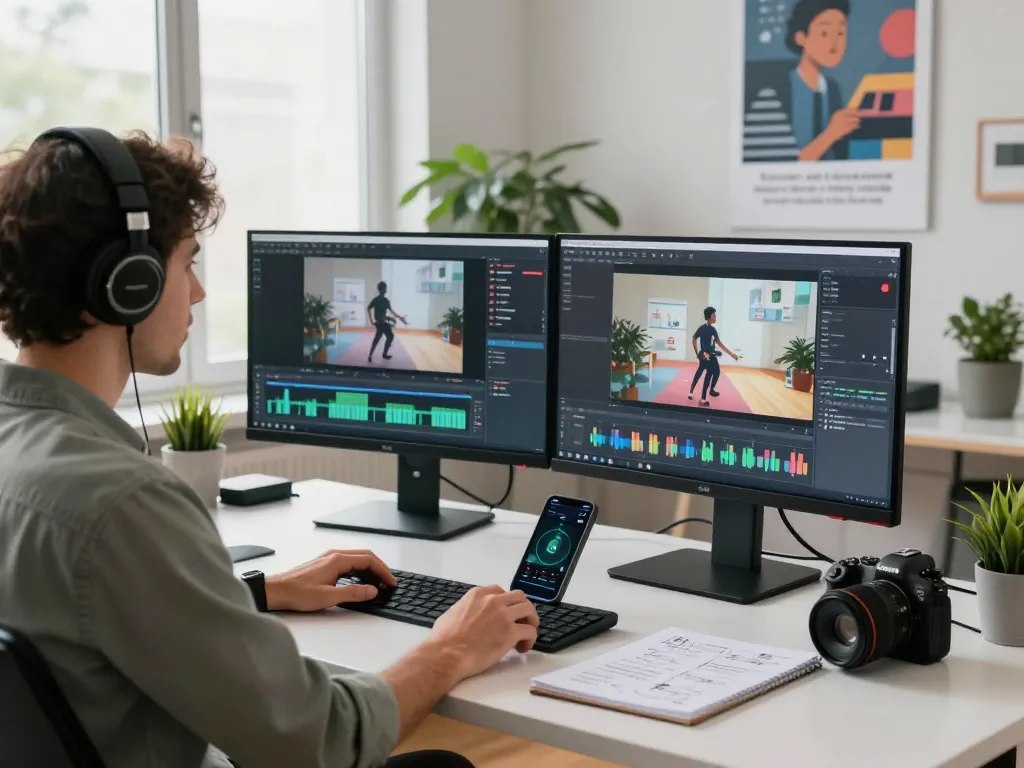
Understanding Motion Control AI Technology
In the realm of digital animation and content creation, motion control ai stands out as a transformative technology. It merges artificial intelligence with graphic design, enabling creators to automate traditional animation processes. This article will explore the meaning of motion control AI, the evolution of AI in animation, and the key features of Kling 2.6 Motion Control AI.
What is Motion Control AI?
Motion control AI refers to the application of artificial intelligence algorithms to facilitate the creation, manipulation, and control of motion in digital animation. By analyzing video inputs and translating them into motion data, this technology allows for the animation of still images and graphics without the extensive manual effort traditionally associated with animation. It fundamentally changes how creators approach motion design, making it more accessible and efficient.
The Evolution of AI in Animation
The journey of AI in the animation industry has been one of rapid innovation. Initially, animation relied heavily on manual keyframing techniques, where animators would define movement frames by frame. Over time, the development of motion capture technology introduced a more dynamic way to animate characters by recording human movement. However, with the emergence of motion control AI, the process has become even simpler. Advanced algorithms now allow for real-time manipulation of motion, resulting in smoother and more accurate animations. This evolution highlights the industry’s shift towards automation, where artistic creativity and technology complement each other seamlessly.
Key Features of Kling 2.6 Motion Control AI
Kling 2.6 Motion Control AI comes equipped with robust features that redefine what’s possible in animation. The core capability of this system is its intelligent transfer of motion from real-world video clips to AI-generated images. Here are some key features:
- Real-Time Motion Transfer: Kling 2.6 analyzes video frames to map joints and motion, allowing it to recreate complex movements accurately.
- Full-Body Motion Control: It ensures that animations reflect realistic full-body movements, including intricate hand gestures and expressions.
- Flexible Orientation Modes: Users can choose how the animation interacts with the original image, whether it follows the video’s camera movement or preserves the static image’s composition.
- Customizable Outputs: Kling 2.6 allows users to adjust lighting, backgrounds, and audio, fostering a more personalized creative output.
How to Set Up and Use Motion Control AI
Utilizing Kling 2.6 Motion Control AI requires a systematic approach. To get started, it’s essential to prepare your assets effectively. This section will guide you through the necessary steps for optimal results.
Preparing Your Assets for Optimal Results
Before diving into the motion control process, you need two key inputs: a still image of the character you wish to animate and a reference video. Ensure that the video is clean and unobstructed, showcasing the movement you want to replicate. Additionally, the image should maintain a similar aspect ratio to the video to prevent distortion in the final animation.
Step-by-Step Guide to Using Kling 2.6
- Log in to your Kling AI dashboard and navigate to the Image-to-Video or Motion Control section.
- Select Kling 2.6 as your generation model.
- Upload the still image and reference video, ensuring they align in terms of positioning and size.
- Choose your orientation mode: Match Video Orientation for a dynamic feel or Match Image Orientation for a fixed perspective.
- Review the inputs for clarity and coherence before generating the scene.
- Optimize your final animation by customizing scene elements and audio settings.
Common Mistakes to Avoid When Using Motion Control AI
While Kling 2.6 Motion Control AI simplifies the animation process, certain pitfalls can diminish the quality of your output. Common mistakes to avoid include:
- Using low-resolution or unclear reference images.
- Failing to match the action direction between the video and the character pose.
- Overlooking the importance of distinct limb movements, which can lead to unnatural animations.
Enhancing Video Quality with Motion Control AI
With Kling 2.6, enhancing the overall quality of your animation becomes straightforward. This section focuses on techniques to improve your video quality through motion control.
Techniques for Smooth Animation Transfer
For seamless animation transfer, ensure that your reference video captures fluid motion without abrupt changes. The stability of the camera and clarity of the movements play crucial roles in the AI’s ability to replicate action accurately. To achieve the best results, utilize videos with clear lighting and minimal occlusions.
Customizing Orientation Modes for Creative Control
Kling 2.6 offers two valuable orientation modes that allow creators to define how animations align with their images. Choosing Match Video Orientation typically results in a more dynamic animation, perfect for fast-paced scenes, whereas Match Image Orientation preserves the original character’s composition and is more suited for storytelling animations.
Utilizing Audio Options for Enhanced Outputs
In addition to visual elements, sound plays a significant role in engaging audiences. You can choose to include the original audio track from your reference video or incorporate new sound design elements to complement your animations. This flexibility allows for richer storytelling and a more immersive viewer experience.
Applications and Use Cases for Motion Control AI
The applications of motion control AI are vast and varied, significantly impacting different industries. Here’s a breakdown of how Kling 2.6 Motion Control can be utilized effectively.
Creating Engaging Social Media Content
Content creators can leverage Kling 2.6 to produce visually stunning animations quickly. Engaging social media posts often require eye-catching videos, and the ability to create fluid animations from simple images opens up a world of creative possibilities for marketers and influencers alike. Dance challenges, promotional content, and storytelling can all benefit immensely.
Professional Video Production and Marketing
In the realm of professional video production, Kling 2.6 Motion Control AI supports marketers in developing high-quality promotional videos. By automating the animation process, teams can focus on creative strategy and storytelling, reducing production time and costs while maintaining visual fidelity.
Innovative Art Projects Using Motion Control AI
Artists can explore the boundaries of creativity with Kling 2.6 by integrating motion control AI into their work. This technology allows for the blending of traditional art forms with modern animation techniques, resulting in unique experiences that can engage audiences in new ways.
The Future of Motion Control AI Technologies
As we look to the future, motion control AI technologies are expected to evolve further, shaping the landscape of animation and content creation. Here are some trends and predictions for 2026 and beyond.
Trends and Predictions for 2026 and Beyond
The continued integration of AI into creative workflows will likely lead to even more sophisticated tools for video production. We can expect increased emphasis on user-friendly interfaces, allowing non-professionals to create polished animations. As AI learns from more diverse datasets, the quality and realism of generated animations will also improve.
Potential Advancements in Animation Techniques
Advancements in machine learning algorithms will enhance motion extraction capabilities, enabling AI to understand complex body movements and dynamics better. Future iterations of motion control AI may allow for real-time adjustments during the animation process, providing creators with greater flexibility and control.
Impact of Motion Control AI on Creative Industries
The rise of motion control AI signals a significant shift in creative industries. As tools become more accessible, a broader range of individuals will be able to engage in video production and animation, leading to a democratization of content creation that encourages diverse artistic expression.
What types of projects can I create using motion control AI?
With motion control AI, users can create a wide variety of projects, including animated short films, social media clips, product demos, and even video games. The possibilities are limited only by one’s creativity and imagination.
Is Kling 2.6 Motion Control AI suitable for beginners?
Absolutely! Kling 2.6 is designed with user-friendliness in mind, making it accessible for beginners while still offering advanced features for experienced animators.
Can I use motion control AI for animation in gaming?
Yes, motion control AI can be utilized to create animated assets for games, allowing developers to produce character animations more efficiently and with improved quality.
How does motion control AI handle different animation styles?
Motion control AI is versatile and can accommodate various animation styles, including 2D, 3D, and even stylized animations. This adaptability allows for creative freedom in character design and movement.
Is there a cost associated with Kling 2.6 Motion Control AI?
While Kling 2.6 offers limited free usage, additional credits or a subscription plan may be required for extended access, providing users with high-quality animation capabilities without breaking the bank.