The Importance of Concrete Cleaning
Concrete surfaces significantly contribute to the overall aesthetic and functionality of both residential and commercial properties. Over time, these surfaces can accumulate dirt, grime, and various stains that detract from their appearance and durability. Regular concrete cleaning is essential not only for maintaining visual appeal but also for prolonging the life of the concrete itself. With proper care, your concrete can withstand environmental elements and traffic while looking its best.
Why Regular Concrete Cleaning is Essential
Concrete is a porous material, which means it readily absorbs liquids and other contaminants. Whether it’s oil spills, mold growth, or simply dirt from foot and vehicle traffic, these elements can weaken the concrete over time. Regular cleaning helps remove these contaminants, preventing long-term damage and costly repairs. Additionally, a clean surface is safer, reducing the risk of slips and falls.
Common Types of Stains on Concrete Surfaces
- Oil Stains: Often from vehicles, oil stains are not only unsightly but can also penetrate deeply into the concrete.
- Rust: Metal objects left on concrete can lead to rust stains, which are challenging to remove without proper techniques.
- Mold and Mildew: These can thrive in damp areas, leading to health issues and surface damage.
- Food and Beverage Stains: Common in patios and driveways, these can attract pests if not cleaned promptly.
Benefits of Professional Concrete Cleaning Services
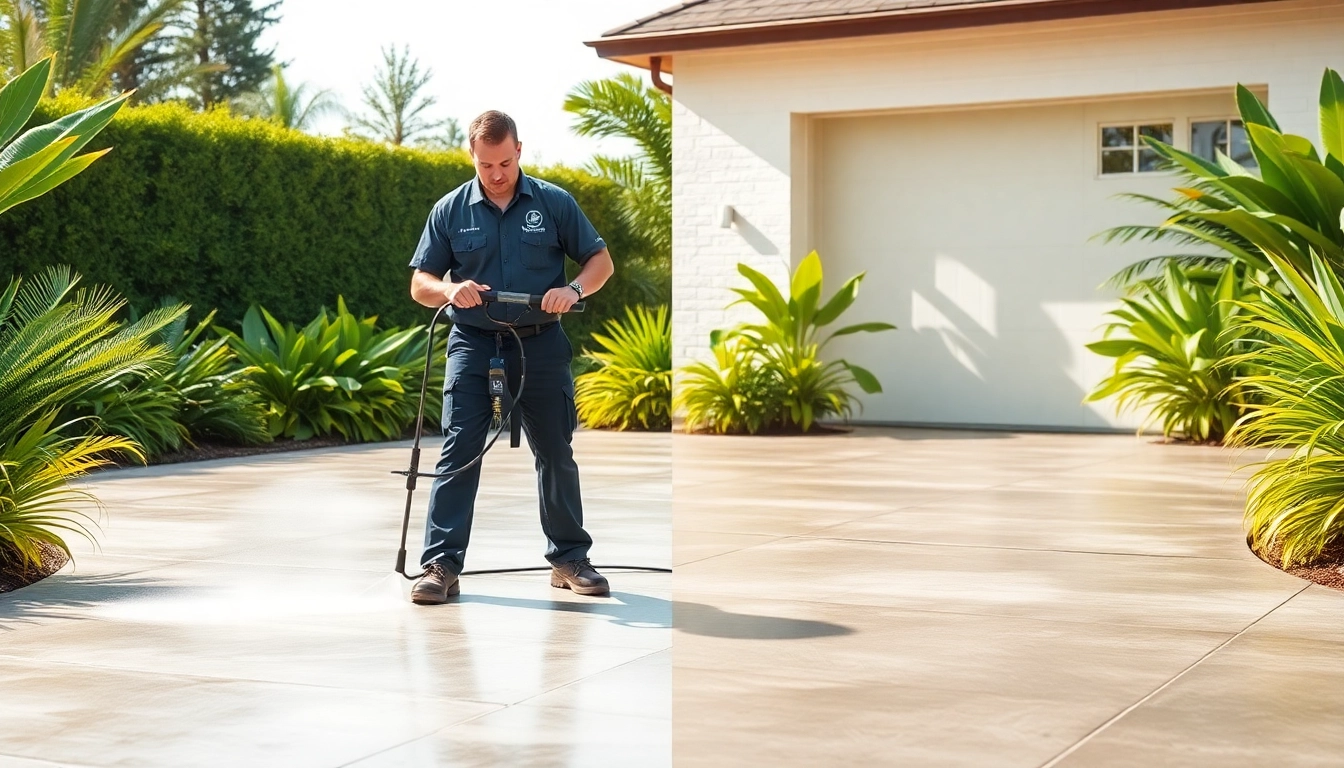
Engaging professional services for concrete cleaning offers numerous advantages, including extensive knowledge and specialized equipment. Professionals utilize powerful pressure washing techniques tailored to the specific type of stain and the concrete surface. Additionally, using eco-friendly cleaning agents helps maintain environmental integrity while achieving remarkable cleaning results.
Best Practices for Concrete Cleaning
To achieve the best results when cleaning concrete, following best practices can make a significant difference. This includes understanding the type of stains present and selecting the right cleaning method accordingly.
Choosing the Right Cleaning Method
Different stains require specific cleaning methods. For instance, while pressure washing is highly effective for removing dirt and grime, it may not be suitable for oil stains, which might need degreasing agents or solvents. Here’s a quick overview of effective cleaning methods:
- Pressure Washing: Ideal for general cleaning, blast away dirt and grime effectively.
- Chemical Cleaning: Utilizing specialized chemicals can break down stubborn stains.
- Manual Scrubbing: Useful for smaller areas or when gentle cleaning is needed.
Top Eco-Friendly Cleaning Solutions
With increasing awareness of environmental issues, eco-friendly cleaning solutions have gained popularity. Many modern concrete cleaners are biodegradable and non-toxic, making them safer for both users and the environment. Some effective green cleaning agents include:
- Vinegar: A natural acidic agent that can break down mineral deposits and dirt.
- Baking Soda: Effective in deodorizing and removing stains without harsh chemicals.
- Hydrogen Peroxide: A powerful oxidizer that can tackle mold and mildew
Safety Precautions During Concrete Cleaning
Safety during concrete cleaning is paramount. Proper protective gear such as gloves, goggles, and masks should be worn to prevent injury from chemicals or high-pressure water. Additionally, ensuring the surrounding area is clear of obstructions and alerting others in the vicinity can help prevent accidents.
DIY vs. Professional Concrete Cleaning
Determining whether to tackle concrete cleaning as a DIY project or hire a professional often comes down to the extent of the cleaning needed and the available resources. While DIY cleaning can be cost-effective for small, superficial stains, professionals offer experience and expertise for more challenging jobs.
When to Hire a Professional Service
Consider hiring a professional when:
- The stains are extensive or deep.
- You lack the proper equipment or cleaning materials.
- The concrete’s condition is poor and requires specialized treatment.
Costs Involved in Concrete Cleaning
The costs associated with concrete cleaning can vary greatly depending on several factors, including the size of the area, the type of stains, and whether you are hiring professionals or doing it yourself. On average, professional concrete cleaning services range from $1 to $3 per square foot. It is advisable to obtain a detailed estimate that outlines all expected charges.
Effective DIY Techniques for Homeowners
For homeowners who want to handle concrete cleaning themselves, several effective techniques can be utilized:
- Pressure Washing: Renting or purchasing a pressure washer can exponentially reduce cleaning time.
- Use of Baking Soda: Mixing baking soda with water can create a gentle abrasive cleaner.
- Scrubbing Brushes: For less severe stains, a good stiff-bristle brush can work wonders.
Tools and Equipment for Effective Concrete Cleaning
Having the right tools and equipment is critical for effective concrete cleaning. Whether you choose a DIY approach or hire professionals, understanding the equipment used can help maximize results.
Overview of Pressure Washers: How They Work
Pressure washers utilize powerful jets of water to dislodge dirt and stains from surfaces. They come in various power ratings and types, including electric and gas models, with gas units generally offering higher pressure output. Understanding the difference can help you choose the right machine for your cleaning needs.
Essential Cleaning Supplies and Chemicals
Beyond pressure washers, several supplies are essential for effective concrete cleaning:
- Degreasers: Ideal for oil stains, they work by breaking down grease molecules.
- Mold Removers: Usually contain bleach or other strong agents to kill mold spores.
- Neutral Cleaners: Effective for routine cleaning without damaging the concrete.
Maintenance of Equipment for Longevity
To ensure that your cleaning equipment remains in optimal condition, regular maintenance is crucial. This includes:
- Flushing out the system to prevent clogs.
- Checking hoses for leaks or wear.
- Replacing worn-out parts promptly.
Future Trends in Concrete Cleaning Services
The concrete cleaning industry is evolving with new technologies and methods that enhance efficiency and effectiveness. Staying informed about these trends can provide a competitive edge for businesses and homeowners alike.
Innovative Techniques on the Horizon for 2025
Emerging techniques such as robotic cleaning units and advanced pressure washing systems equipped with AI technology promise to revolutionize the industry. These systems can automatically adjust pressure and cleaning solutions based on the surface type and stain level, improving cleaning accuracy and efficiency.
Advancements in Environmentally Friendly Products
As eco-consciousness grows, manufacturers are developing more biodegradable and environmentally safe cleaning agents. These products reduce harm to local ecosystems while providing effective cleaning power.
Expert Insights on Industry Developments
Industry experts emphasize the importance of staying updated on regulations regarding cleaning chemicals and practices. Networking with professional organizations can provide valuable resources and training opportunities, ensuring that both homeowners and businesses remain compliant and knowledgeable.